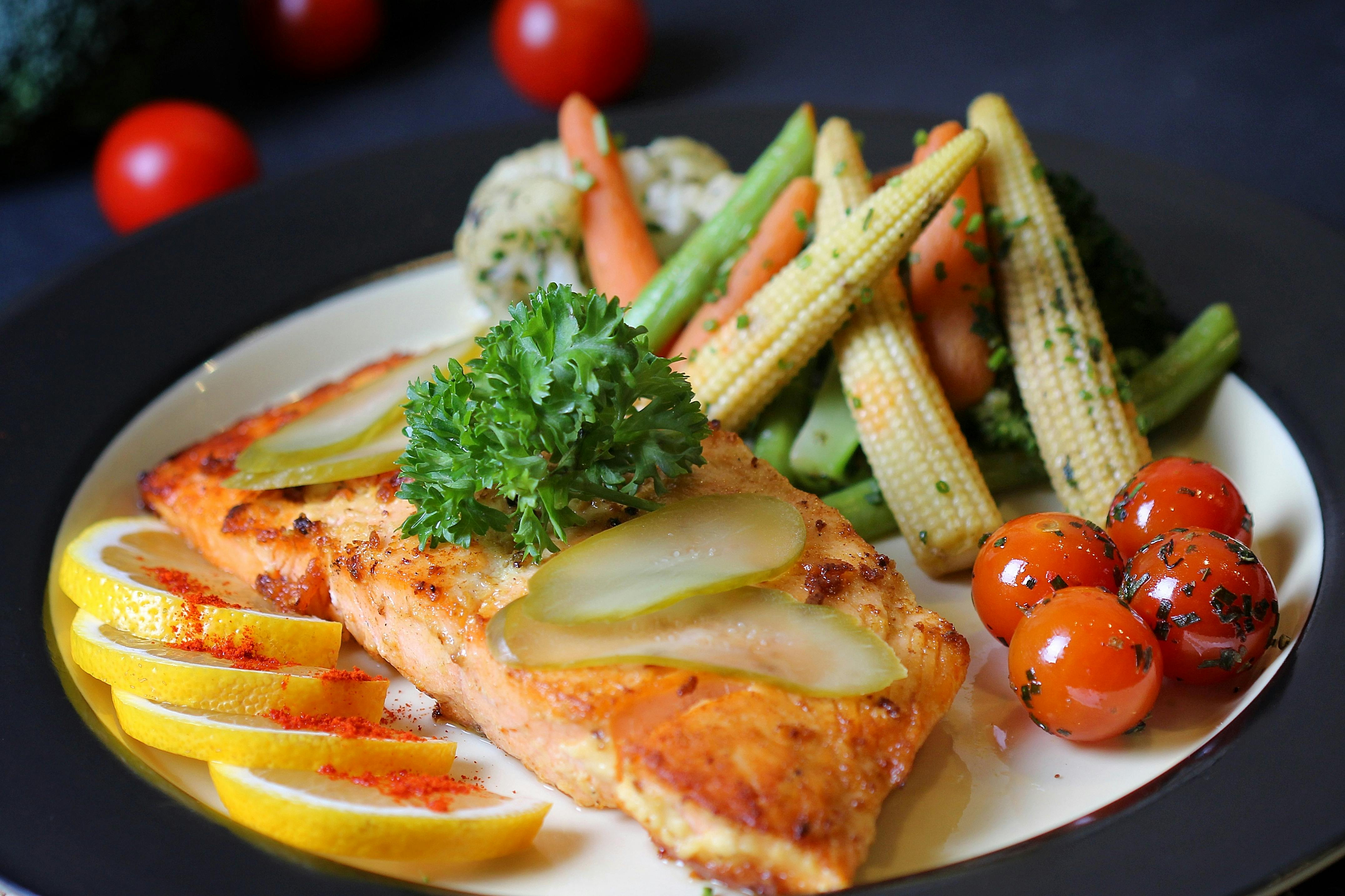
Easy Baked Salmon Recipe
🍽️ Dinner

Easy Baked Salmon Recipe

By The Cozy Kitchen 🕐 25 min total · 4.9 ⭐

This baked salmon recipe is my go-to weeknight dinner — on the table in 25 minutes, requiring almost no cleanup, and producing salmon so flaky and rich that guests always assume it came from a restaurant. The lemon garlic butter glaze caramelizes in the hot oven to form a golden, sticky crust that keeps every bite moist and intensely flavored.

Salmon is one of the most forgiving proteins you can bake. Unlike chicken breast, which dries out the moment it's a degree overdone, salmon has enough natural fat content to stay moist and succulent even if you pull it from the oven a minute or two late. That fat — the omega-3 rich fat that makes salmon so good for you — is also what carries every bit of flavor from the glaze deep into the flesh.

The glaze for this baked salmon recipe is five ingredients you almost certainly already have: butter, garlic, lemon, Dijon mustard, and a small amount of honey. The Dijon emulsifies the butter so it coats the salmon evenly rather than pooling at the edges. The honey caramelizes at high heat, creating that glossy, sticky crust. The garlic softens and mellows in the oven, becoming sweet and nutty rather than sharp. And the lemon brightens everything, cutting through the richness of the salmon fat.

I cook this at 400°F, which is hot enough to caramelize the glaze and cook the salmon through in 12–15 minutes, but not so hot that the outside overcooks before the center reaches temperature. The result every time is salmon that flakes in large, moist chunks — not the dry, crumbling salmon that most people associate with oven-cooked fish.

Why This Baked Salmon Recipe Never Fails
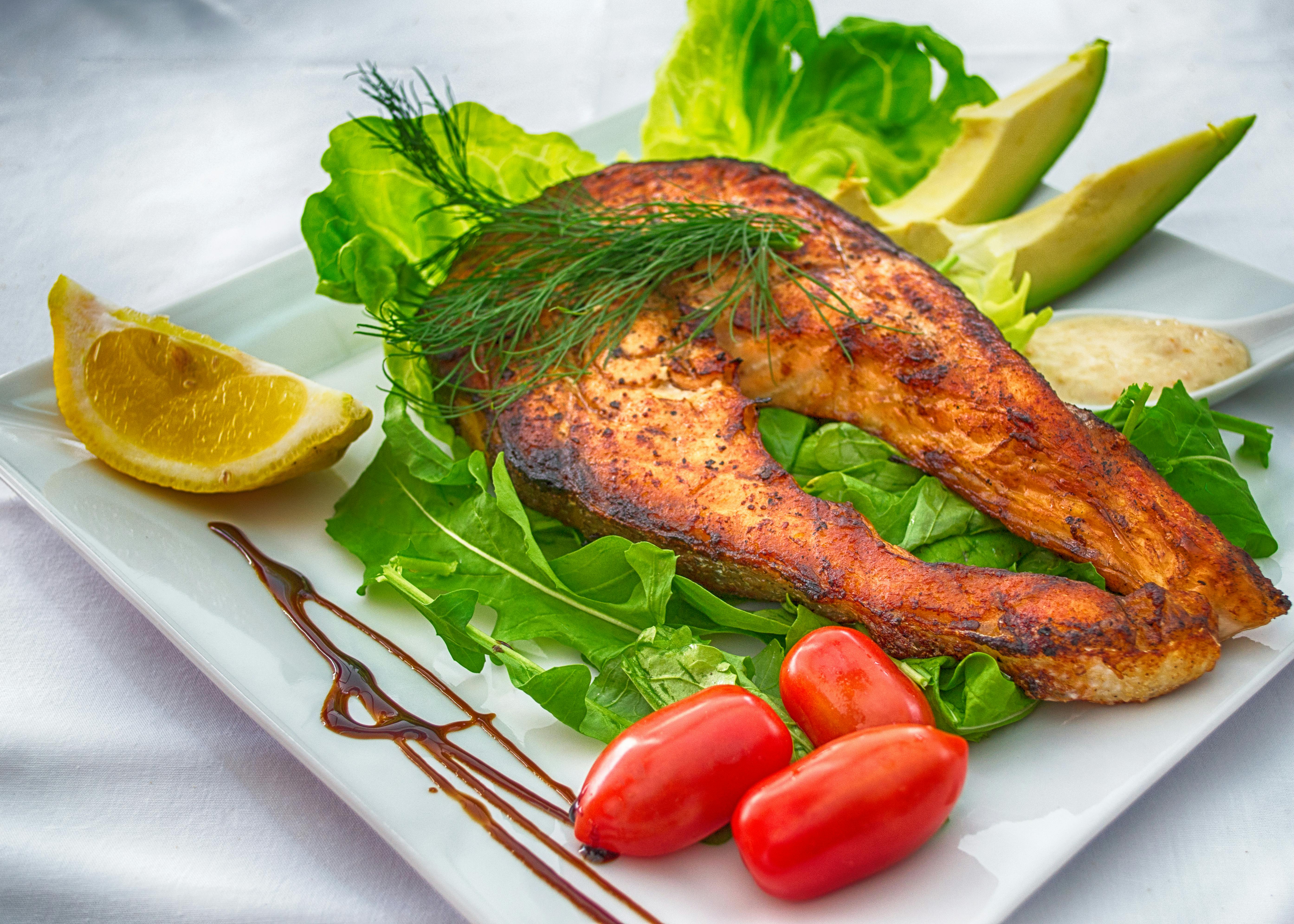
Pan-seared salmon with avocado, lemon, dill and cherry tomatoes

There are three things that make this recipe consistently excellent. First, patting the salmon completely dry before applying the glaze. Moisture on the surface of the fish creates steam in the oven, which prevents browning and makes the glaze slide off instead of adhering. A 30-second dry with paper towels makes a dramatic difference in the final crust.

Second, skin-on fillets. The skin acts as a natural insulator against the heat of the baking sheet, protecting the bottom of the fillet from overcooking while the top caramelizes. It also makes the cooked salmon dramatically easier to serve — you can slide a spatula under the skin and lift the whole fillet cleanly off in one piece.

Third, not overcooking. For the best baked salmon, pull it at 125–130°F internal temperature for medium (slightly translucent in the very center, incredibly moist) or 145°F for fully cooked. At 400°F, this means checking at 12 minutes for thinner fillets and 15 minutes for thicker ones. An instant-read thermometer takes the guesswork out entirely.

Variations and Flavor Upgrades

The base glaze in this recipe is deliberately versatile. For an Asian-inspired version, swap the Dijon and honey for 2 tablespoons of soy sauce, 1 tablespoon of sesame oil, and 1 teaspoon of grated ginger. For a herb crust, press a mixture of panko breadcrumbs, fresh dill, and lemon zest onto the glazed top before baking. For a spicy version, add 1 teaspoon of sriracha or a pinch of cayenne to the base glaze.

This recipe also works beautifully in an air fryer: 400°F for 8–10 minutes with no preheating needed. The air fryer circulates hot air around the fish, producing an even more caramelized crust on all sides simultaneously.

What to Serve with Baked Salmon

This lemon garlic salmon pairs with almost anything. For a quick weeknight plate: roasted asparagus on the same baking sheet (add them 5 minutes before the salmon), a side of garlic rice, or steamed broccoli. For a more elegant dinner: creamy mashed potatoes, a simple green salad with lemon vinaigrette, and a glass of crisp white wine. The pan drippings from the baking sheet — concentrated lemon garlic butter — are pure gold: spoon them over everything on the plate.
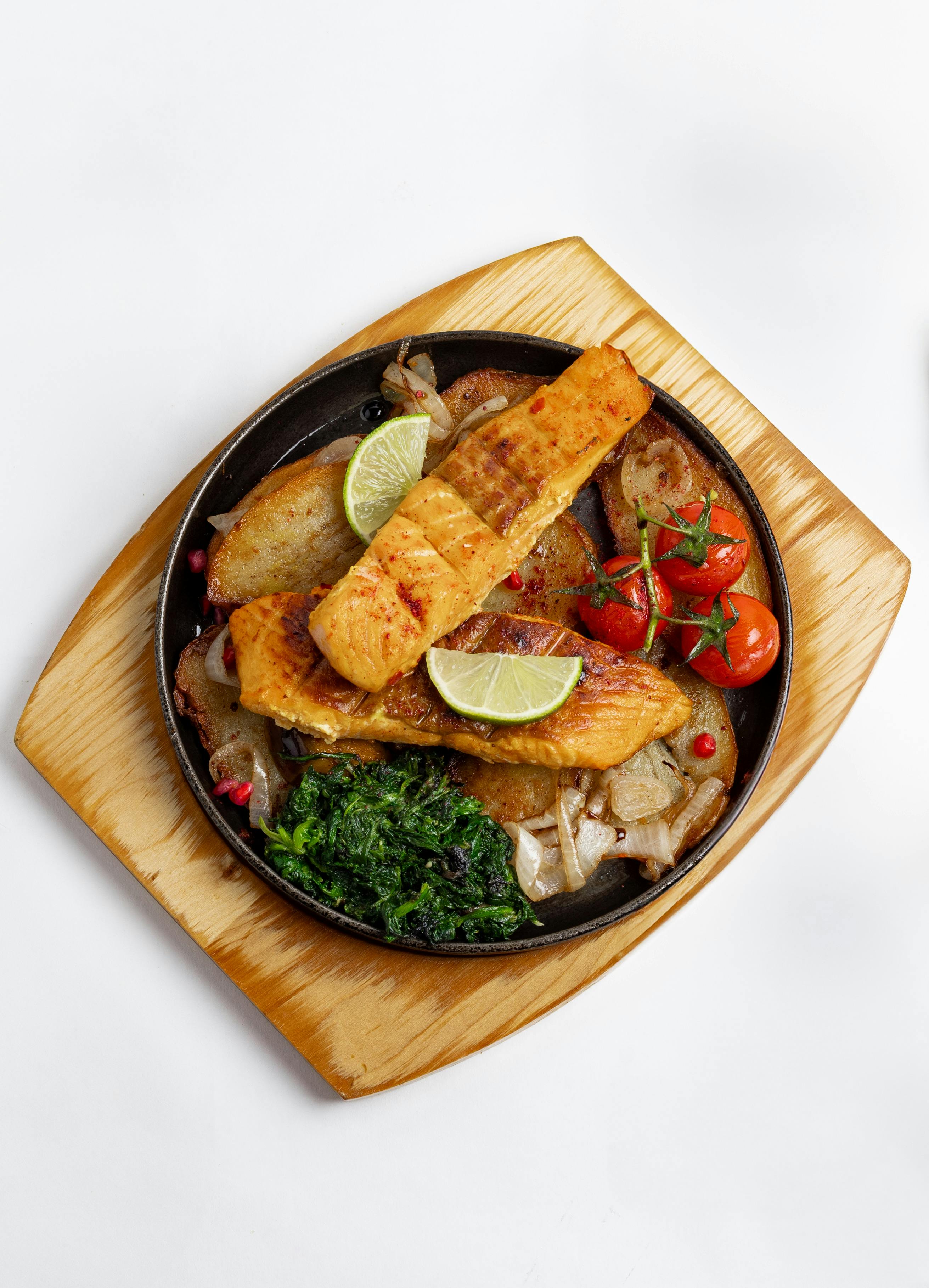
Salmon fillet in cast iron skillet with spinach and cherry tomatoes

Easy Lemon Garlic Baked Salmon

Flaky, perfectly baked salmon glazed with lemon, garlic, and butter. Restaurant-quality results in under 25 minutes.

4.9 (8,134 reviews)
Prep5 min
Cook15 min
Total25 min
Servings
4
Calories380

Ingredients

Instructions

  1. 1Preheat the oven

    Preheat your oven to 400°F (200°C). Line a rimmed baking sheet with aluminum foil and spray lightly with cooking spray, or brush with a little oil. This prevents sticking and makes cleanup effortless.

  2. 2Make the lemon garlic glaze

    In a small bowl, whisk together the melted butter, minced garlic, lemon juice, lemon zest, Dijon mustard, honey, smoked paprika, oregano, salt, and pepper until fully combined. The Dijon helps emulsify the butter so the glaze adheres evenly to the fish.

  3. 3Dry and place the salmon

    Pat each salmon fillet thoroughly dry with paper towels — this is important for browning. Place them skin-side down on the prepared baking sheet, leaving a little space between fillets for even air circulation.

  4. 4Apply the glaze

    Spoon the lemon garlic glaze generously over the top and sides of each fillet. Use the back of the spoon to spread it to the edges. Don't be shy — this glaze is the flavor of the whole dish.

  5. 5Bake to perfection

    Bake on the center rack for 12–15 minutes depending on the thickness of your fillets. The salmon is done when it flakes easily with a fork at the thickest point and the glaze has caramelized to a golden sheen. For precision, use an instant-read thermometer: 125–130°F for medium, 145°F for fully cooked.

  6. 6Rest and serve

    Rest the salmon on the pan for 2 minutes before serving — this allows the juices to redistribute into the flesh. Plate skin-side down, garnish with fresh parsley and lemon slices, and spoon any accumulated pan drippings over the top.

Nutrition Per Serving

39gProtein
3gCarbs
22gFat
0gFiber
420mgSodium
380Calories

📝 Recipe Notes

  • Pat it dry: This is the most important step. Wet salmon steams instead of roasting — the glaze won't stick and you won't get that caramelized crust. Use paper towels and press firmly.
  • Use a thermometer: Salmon changes color subtly when done. An instant-read thermometer (125–130°F for medium, 145°F for well done) removes all guesswork.
  • Don't skip the honey: The small amount of honey is what caramelizes the glaze to that beautiful golden sheen. Without it, the glaze stays flat and wet-looking.
  • Skin-on is better: The skin protects the bottom from overcooking and makes serving easy — the whole fillet lifts off in one clean piece with a spatula.
  • Same pan, add vegetables: Lay asparagus, broccoli, or sliced zucchini on the same sheet pan and toss with olive oil and salt. Add them 5 minutes before the salmon for a complete one-pan meal.
  • Leftovers: Store in an airtight container in the fridge for up to 2 days. Reheat gently in a 275°F oven covered with foil, or flake cold into a salad — salmon is exceptional served cold.

Frequently Asked Questions

What temperature should baked salmon be?

For medium salmon (slightly translucent in the center, incredibly moist and rich), pull it at 125–130°F internal temperature. The FDA recommends 145°F for fully cooked salmon. At 400°F with 1-inch thick fillets, expect 12–15 minutes. Use an instant-read thermometer for precision — salmon changes color very subtly when done, making visual cues unreliable.

Should I bake salmon covered or uncovered?

Uncovered gives the best results for this glazed recipe — the glaze caramelizes and forms that beautiful golden crust you want. If you're working with a very thin fillet (under 3/4 inch), tent loosely with foil for the first 8 minutes to prevent the edges from overcooking, then uncover for the final 4–5 minutes to brown the glaze.

Can I use frozen salmon for this recipe?

Yes — thaw completely first. Overnight in the fridge is ideal. For a faster thaw, seal fillets in a zip-lock bag and submerge in cold water for 30–45 minutes. Pat completely dry after thawing. Moisture from thawing is the enemy of a good crust — take the time to dry thoroughly before glazing.

What sides go with baked salmon?

This lemon garlic salmon pairs with almost anything: roasted asparagus (add to the same pan), garlic mashed potatoes, steamed rice, roasted broccoli, or a simple arugula salad with lemon vinaigrette. The pan drippings are intensely flavored — spoon them generously over your sides for maximum flavor with zero extra effort.