Dinner

Thai Basil Chicken Recipe

Pad Krapow Gai · Fish Sauce · 4 servings · 20 min · Authentic Thai flavors

This Thai basil chicken recipe — pad krapow gai — is the most popular dish at street food stalls across Thailand for good reason: it comes together in 15 minutes, tastes deeply complex, and is completely addictive. Minced chicken stir-fried at screaming heat with garlic, chilies, fish sauce, and oyster sauce, finished with a handful of fresh Thai basil and topped with a crispy-edged fried egg. It's one of those recipes where every single element has a purpose, and leaving any of them out changes the dish fundamentally.

Pad krapow translates as "holy basil stir-fry" — krapow being the Thai name for holy basil (Ocimum tenuiflorum), which is different from Thai sweet basil and Italian basil. Holy basil has a peppery, slightly clove-like flavor that's more savory than sweet. It's the key aromatic that defines authentic pad krapow, though Thai sweet basil or Italian basil are excellent substitutes that are far easier to find in American grocery stores.

The sauce is a classic Thai stir-fry base: fish sauce for salt and umami depth, oyster sauce for richness and body, a touch of soy sauce for color, and a small amount of sugar to balance. These four ingredients together create a sauce that's simultaneously salty, sweet, savory, and deeply umami — far more complex than any single ingredient provides alone. Don't substitute them or reduce quantities; this balance is precise.

High heat is absolutely non-negotiable. The wok — or your largest, heaviest skillet — must be screaming hot before the chicken goes in. The caramelization of the chicken against a super-hot surface creates the slightly crispy, almost charred bits that define pad krapow's texture and flavor. A lukewarm pan produces steamed, gray ground chicken that tastes nothing like the dish you're trying to make.

The Crispy Fried Egg: Why It Matters
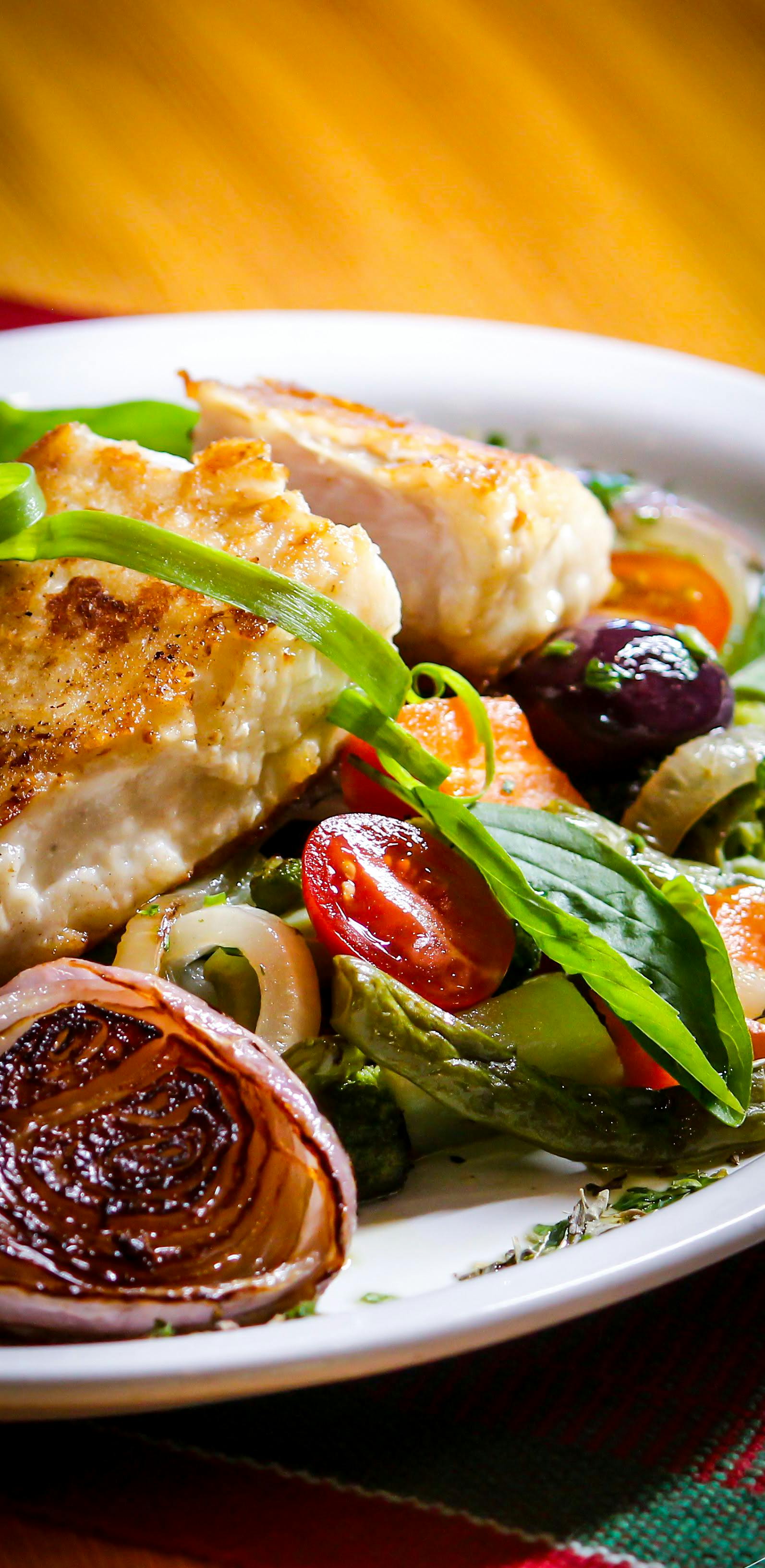
Grilled chicken over fresh salad with vegetables and herbs

In Thailand, pad krapow is almost never served without a kai dao — a fried egg cooked in a generous amount of very hot oil until the edges are crispy and lacy while the yolk remains runny. This isn't mere garnish: the runny yolk breaks over the rice and mingles with the spicy stir-fry sauce to create an unctuous, rich coating that ties the whole dish together. The crispy egg white adds textural contrast against the soft rice and saucy chicken.

To fry the egg Thai-style, you need more oil than you think — about 2–3 tablespoons in a small pan over very high heat. The oil must be hot enough to immediately set and puff the egg white the moment it hits the pan. Tilt the pan slightly and spoon the hot oil over the yolk as it cooks. Total time: about 90 seconds. The result is an egg with shatteringly crispy edges, set white, and a still-liquid yolk — completely different in texture from a standard American fried egg.

Variations and Substitutions

The base technique works beautifully with pork, beef, shrimp, or firm tofu instead of chicken. Use the same sauce and aromatics and adjust the cook time for the protein. For a vegetarian version, replace fish sauce with soy sauce plus a few drops of seaweed sauce or miso for umami depth, and use mushroom oyster sauce. The basil should always be added off-heat at the very end — cooking it too long destroys its volatile aromatics, which are what make the dish smell and taste like pad krapow.
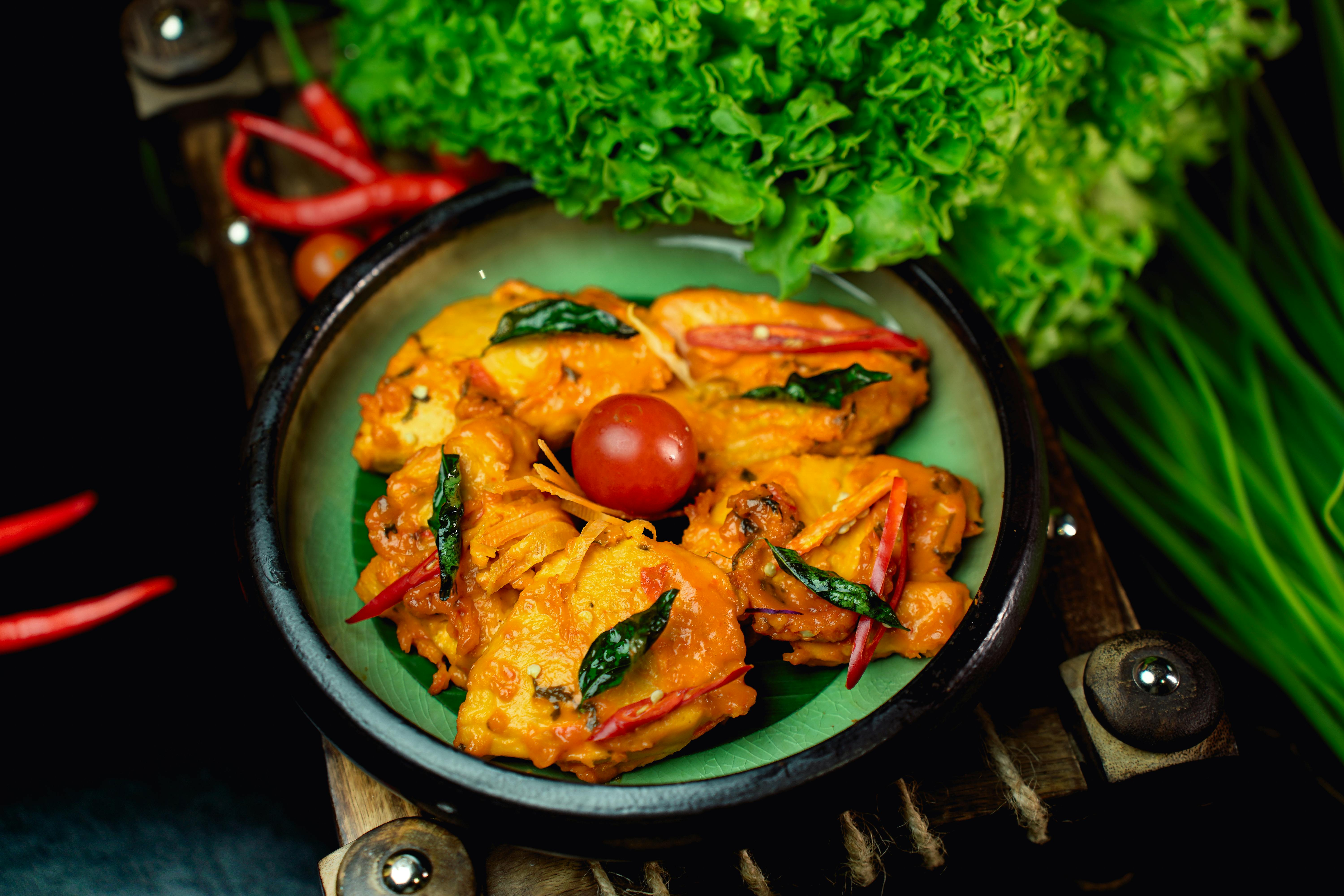
Spicy Thai basil chicken with red chilies and Thai basil in a bowl

Thai Basil Chicken (Pad Krapow Gai)

Authentic Thai street food — ground chicken stir-fried with fish sauce, oyster sauce, garlic, chilies, and Thai basil. Done in 20 minutes.

4.9 (6,103 reviews)
Prep5 min
Cook15 min
Total20 min
Servings
4
Calories420

Ingredients

Instructions

  1. 1Mix the stir-fry sauce

    In a small bowl, whisk together fish sauce, oyster sauce, soy sauce, dark soy sauce, and sugar until the sugar dissolves. Set beside the stove — you'll need it ready the moment the chicken is cooked.

  2. 2Fry the eggs (traditional method)

    Heat a small skillet or wok over very high heat with 2–3 tablespoons of vegetable oil. When the oil begins to smoke, carefully crack an egg in and spoon the hot oil over the yolk. The whites should immediately puff and turn crispy at the edges. Cook 60–90 seconds total. Remove and set aside. Repeat for remaining eggs.

  3. 3Stir-fry the aromatics

    In a large wok or your heaviest skillet over maximum heat, add 2 tablespoons vegetable oil. When the oil is smoking, add the minced garlic, sliced chilies, and sliced shallot. Stir-fry constantly for 30–45 seconds until extremely fragrant — the garlic should turn slightly golden but not burn.

  4. 4Cook the chicken

    Add the ground chicken to the wok. Break it apart with a spatula and spread it in a single layer. Leave it without stirring for 1 minute to let it caramelize on the bottom — this is where the signature slightly-charred flavor develops. Then stir and break up, cooking another 3–4 minutes until fully cooked through.

  5. 5Add sauce and basil

    Pour the sauce over the chicken and stir to coat everything evenly. Cook for 30 more seconds. Remove from heat and immediately add all the Thai basil leaves. Stir through — the residual heat will wilt the basil gently without blackening it.

  6. 6Serve immediately

    Divide the jasmine rice among four bowls or plates. Spoon the Thai basil chicken generously over the rice. Top each bowl with a crispy fried egg. Serve immediately with extra fish sauce, sliced chilies, and lime wedges on the side.

Nutrition Per Serving

32gProtein
48gCarbs
10gFat
2gFiber
820mgSodium
420Calories

📝 Recipe Notes

  • Maximum heat: The wok must be screaming hot before the chicken goes in. High heat creates caramelization and the slightly charred bits that define the dish. A medium-heat stir-fry produces steamed, gray chicken that tastes flat.
  • Don't cook the basil: Add the basil leaves after the heat is off. Cooking basil destroys its aromatics and turns it black. The residual heat of the pan is enough to wilt it perfectly.
  • Fish sauce is essential: Don't substitute with soy sauce for all the fish sauce — you'll lose the fermented depth that defines the dish. If you're sensitive to fish sauce's smell during cooking, know that it mellows dramatically once cooked into the stir-fry.
  • Pre-mix the sauce: The stir-fry moves fast. Have your sauce bowl ready beside the stove before you start cooking so you can pour it in without delay.
  • Heat level control: Bird's eye chilies are very hot. Start with 2 and taste the finished dish. More can be added at the table as sliced raw chilies or chili oil.

Frequently Asked Questions

What is the difference between Thai basil and regular basil?

Thai basil has a more peppery, anise-forward flavor than Italian sweet basil. Its leaves are smaller, more pointed, and sturdier — it handles heat better. For pad krapow, holy basil (krapow) is most traditional. Thai sweet basil or Italian basil are good substitutes; add them off-heat at the very end and use them generously.

Can I use chicken breast instead of ground chicken?

Yes — finely mince chicken thighs or breast by hand or pulse briefly in a food processor. Thighs are preferred for their higher fat content and better caramelization. Thinly sliced chicken works too; the sauce and aromatics define the dish regardless of cut.

How spicy is Thai basil chicken?

This recipe with 4 bird's eye chilies is medium-hot by Thai standards. For mild, use 1–2 serrano peppers deseeded. For authentic Thai street-level spicy, use 6–8 bird's eye chilies with seeds. Adjust to your heat preference — the flavor is the same regardless of spice level.

Why is the fried egg traditional?

The kai dao — crispy fried egg — is essentially the sauce delivery system. The runny yolk breaks over the rice and mixes with the stir-fry sauce to create a rich, coating liquid. The crispy edges add texture. This combination of runny yolk + spicy chicken stir-fry + jasmine rice is one of the best flavor combinations in all of Thai cooking. Don't skip it.