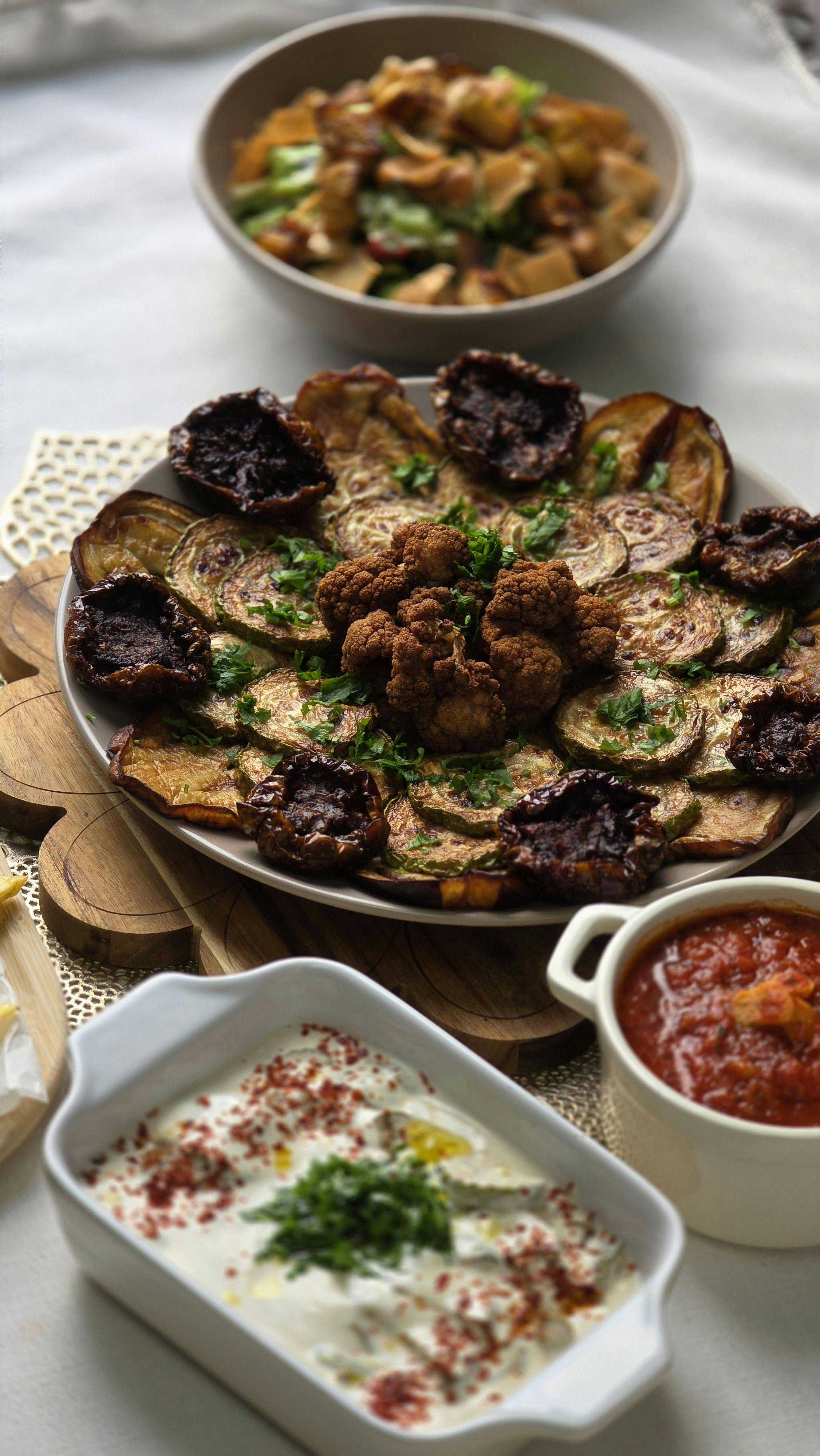
The Only Roasted Vegetable Recipe You Need
Sheet pan roasted vegetables are the most useful recipe in any cook's arsenal, and most people don't make them as well as they could. Done right — hot oven, dry vegetables, single layer, no crowding — they come out with caramelized, slightly crispy edges and a sweet, intense flavor that bears almost no resemblance to steamed or boiled vegetables. Done wrong, they're soggy, bland, and sad. The difference is entirely technique, and it's simple once you know it.
This recipe works with essentially any combination of vegetables you have on hand. The technique matters more than the specific ingredients. Master the method and you can roast anything in your vegetable drawer to perfection — whether that's a simple weeknight side dish or a vibrant, colorful centerpiece for a vegetarian spread.
The Science of Caramelization
When vegetables hit a hot, dry oven, two things happen: moisture evaporates rapidly from the surface, and the natural sugars in the vegetables undergo Maillard browning and caramelization. This is where the deep, sweet, complex flavor comes from — not from oil or seasoning, but from the heat-driven transformation of the vegetables' own sugars and amino acids. It's the same reaction that makes a good steak brown or bread crust golden.
The enemy of caramelization is steam. Steam happens when moisture can't escape — when vegetables are wet, when they're overlapping, or when the oven isn't hot enough to evaporate moisture faster than it releases. Any of these conditions and your vegetables steam instead of roast, and you get that limp, gray result nobody wants.
The Four Rules of Perfect Roasted Vegetables
1. High heat. 425°F is the minimum for proper caramelization. Lower temperatures cook vegetables through but don't develop the browning. Use the highest setting your oven handles well.
2. Dry vegetables. Pat everything dry after washing. Water on the surface means the oven has to evaporate that water first, cooling the pan and promoting steaming. Dry surfaces caramelize immediately when they hit the heat.
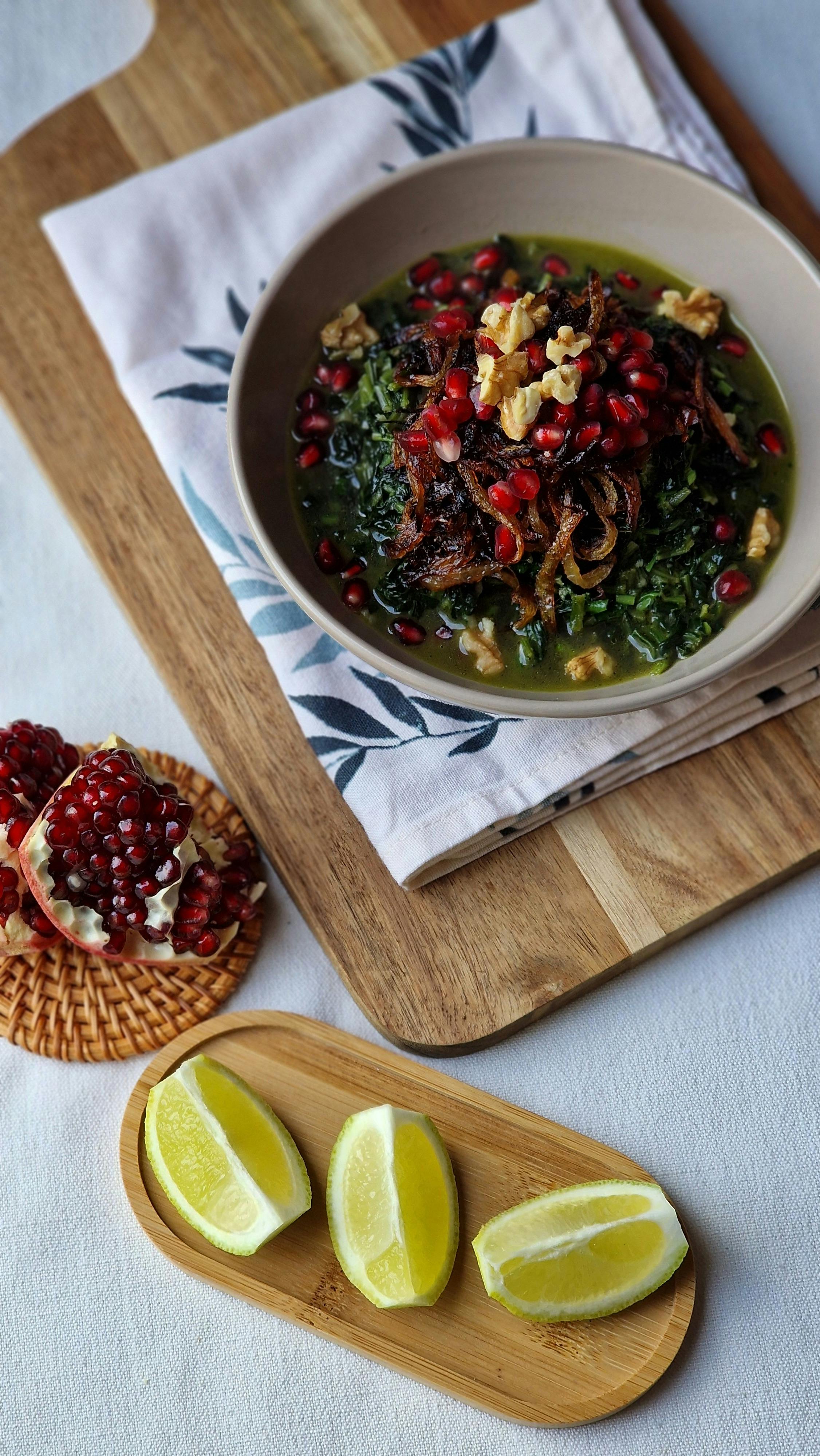
3. Single layer, no crowding. Every vegetable piece needs its own space on the pan. Overlapping pieces trap steam between them and braise each other instead of roasting. If your vegetables won't fit in a single layer, use two sheet pans. This is the rule most people break and the most common reason roasted vegetables disappoint.
4. Don't open the oven. Every time you open the oven door, you release heat and disrupt the roasting environment. Flip the vegetables once at the halfway point and leave them alone otherwise. Trust the process.
Seasoning Strategy
The foundation is olive oil, salt, and pepper — that's all you technically need. But a simple spice blend elevates the whole dish. Smoked paprika adds a subtle smokiness that makes vegetables taste almost grilled. Garlic powder gives savory depth without the risk of burned fresh garlic. Dried oregano or thyme brings an herbal note. A pinch of cumin adds warmth.
The finishing touches are equally important. A squeeze of fresh lemon after roasting brightens the caramelized flavors and adds a pop of acid that makes everything taste more alive. Fresh parsley or cilantro added at the end brings color and freshness. A drizzle of tahini, a sprinkle of feta, or a handful of toasted pine nuts all take this dish from simple side to something worth building a meal around.
Vegetable Timing Guide
Not all vegetables roast at the same speed. Dense root vegetables like carrots, beets, and potatoes need 35–45 minutes. Medium-density vegetables — broccoli, cauliflower, bell peppers, onions — hit their sweet spot around 20–25 minutes at 425°F. Quick-cooking vegetables like zucchini, cherry tomatoes, and asparagus need only 10–15 minutes and should go onto the pan later or be roasted separately.
When combining vegetables with different cook times, either cut the denser ones smaller (so they cook faster), start the denser ones 10–15 minutes earlier, or roast different vegetables on separate pans. The recipe here uses a selection that all cook at roughly the same rate, making the whole dish easy to time.
Meal Prep and Serving Ideas
Roasted vegetables keep beautifully in the refrigerator for four days, which makes them an excellent meal prep component. Use them as a side dish with any protein. Add them to grain bowls throughout the week. Toss them with pasta and olive oil. Stuff them into wraps with hummus and greens. Blend them into a roasted vegetable soup. The versatility is part of why mastering this technique pays dividends for the whole week.