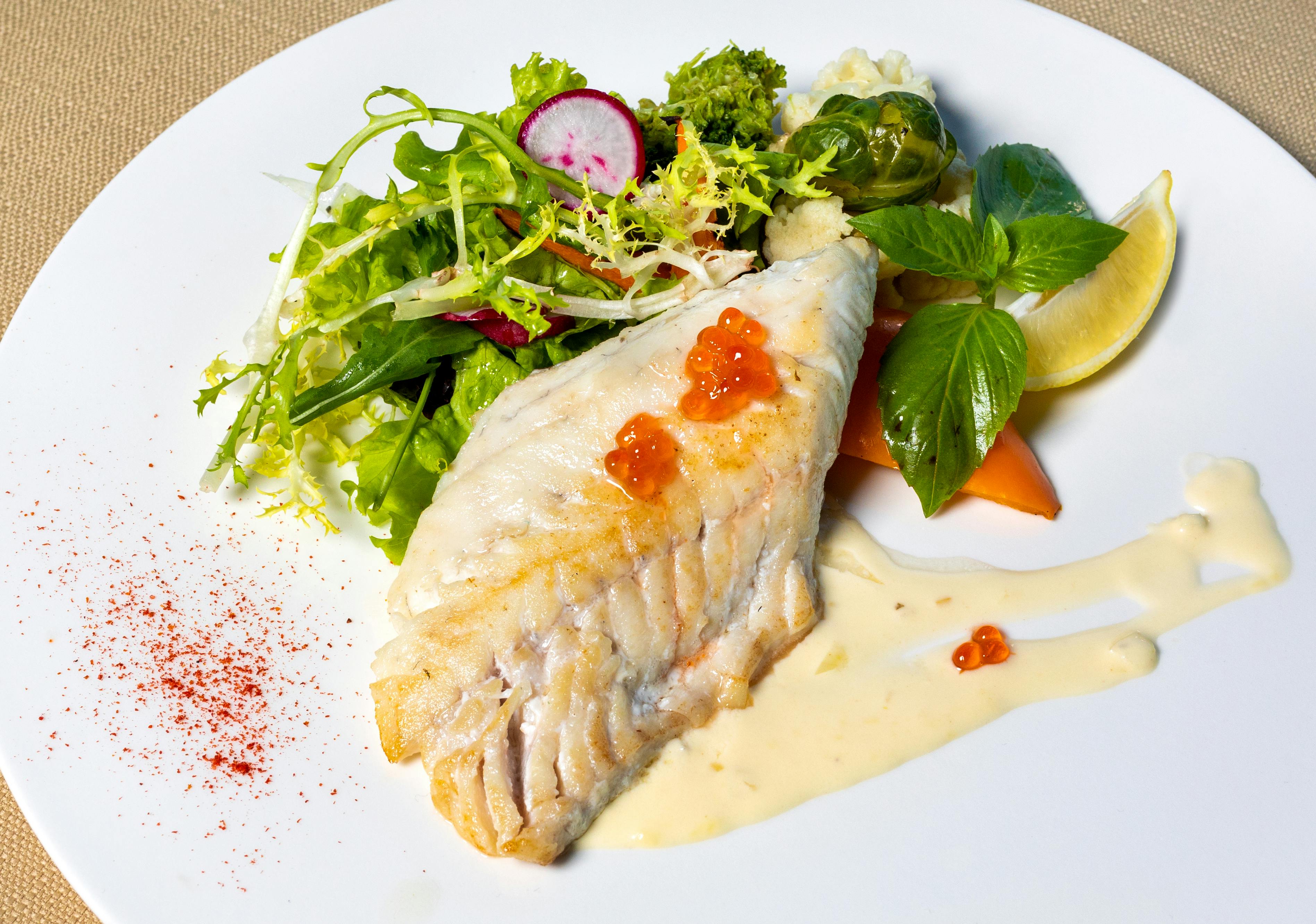
The Secrets to Perfect Pan Seared Cod
Pan seared cod is one of those dishes that sounds simple but trips up a lot of home cooks. The fish sticks to the pan, falls apart, or comes out with a gray, steamed exterior instead of that gorgeous golden crust you see in restaurants. The good news: once you know the three rules, you'll nail it every single time, and the whole dinner will be on the table in under 20 minutes.
Cod is an ideal fish for pan searing. It has a mild, clean flavor that pairs brilliantly with butter and lemon, its flesh is firm enough to hold together during cooking, and it flakes into those beautiful white segments when you press it with a fork. It's also one of the most nutritious proteins you can put on a weeknight table — loaded with lean protein, B vitamins, and omega-3s.
Rule 1: The Pan Must Be Ripping Hot
This is where most pan-seared fish goes wrong. If the pan isn't hot enough when the fish goes in, the proteins don't immediately seize and form a crust — instead, the fish starts to steam in its own moisture, and you end up with a stuck, gray, sad fillet. Heat your skillet over medium-high for a full two minutes before adding oil. The oil should shimmer and almost smoke the moment it hits the pan.
Cast iron is the best choice here because it holds heat so evenly — there are no hot and cold spots that cook the fish unevenly. A heavy stainless pan works as a close second. Non-stick can work but it can't get as hot, so you'll sacrifice some of the crust depth.
Rule 2: The Fish Must Be Bone Dry
Moisture is the enemy of a sear. Water on the surface of the fish means the pan has to spend its heat evaporating that water before it can start browning — and by the time the surface is dry, the interior is already overcooked. Pat every fillet thoroughly dry with paper towels, pressing firmly on both sides. Then season and let them sit uncovered in the fridge for 10 minutes if you have time. Dry surfaces sear; wet surfaces steam.
Rule 3: Don't Touch It
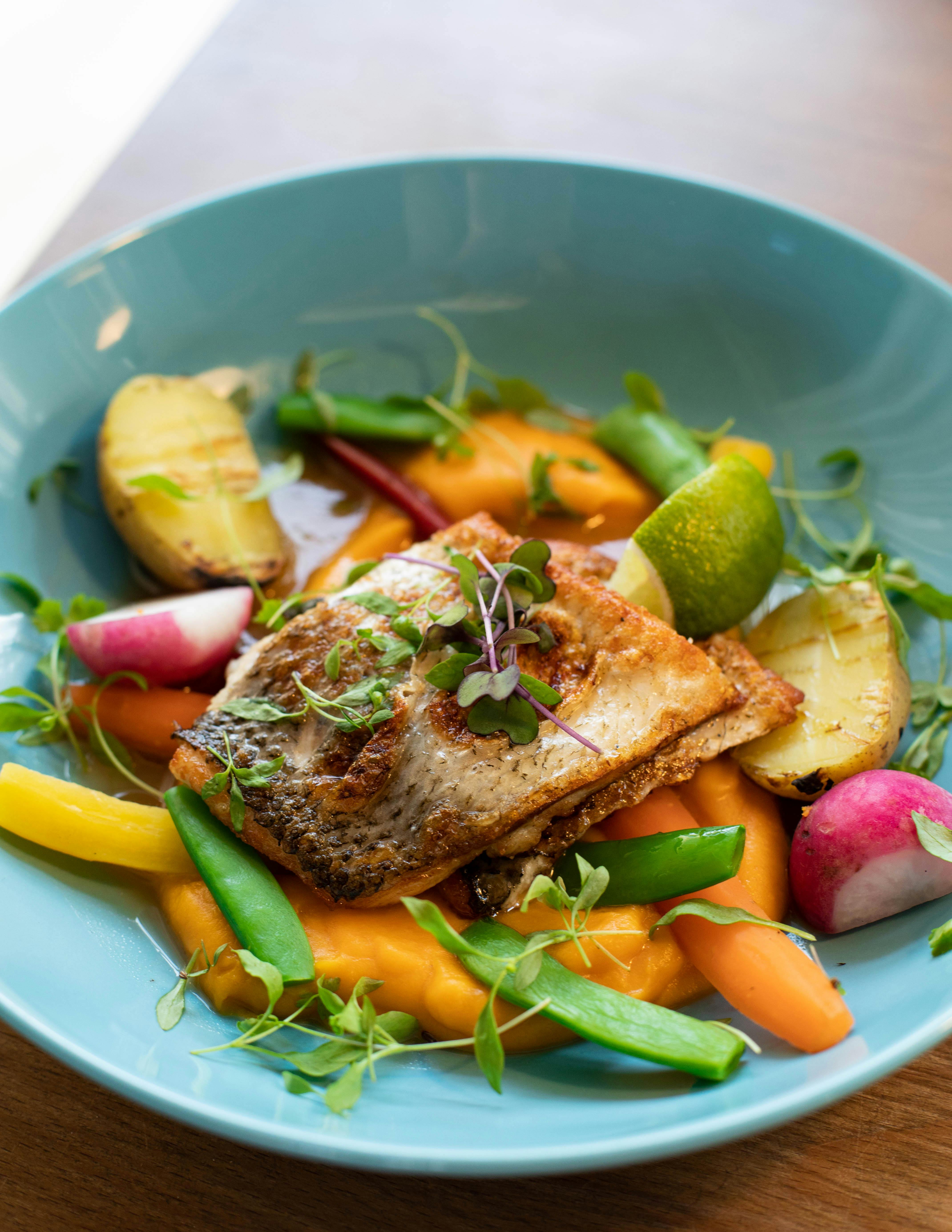
Put the fish in the pan and leave it alone. Resist every urge to move it, poke it, or check underneath. A properly seared fillet will release cleanly from the pan when the crust is ready — if it's sticking, it's not done. Give it 3 to 4 full minutes on the first side and then test it by lifting one corner gently. If it pulls away cleanly, it's time to flip. If it resists, give it another 30 seconds.
The Lemon Butter Sauce
After flipping the fish, add butter and minced garlic directly to the pan. As the butter melts and foams, tilt the pan and use a spoon to continuously baste the top of the fish with the hot butter. This technique — called arrosage or basting — cooks the top of the fillet with heat from the butter while the bottom continues building its crust. It's the reason restaurant fish always looks so glossy and tastes so rich.
A squeeze of fresh lemon over the finished fillets brightens everything and cuts through the richness of the butter. Use fresh lemon, not bottled — the volatile citrus oils in the fresh peel matter here and bottled juice just doesn't have them.
What to Serve With Pan Seared Cod
This dish is versatile enough to go in almost any direction. For a light meal, serve it over a simple arugula salad with shaved parmesan and a drizzle of olive oil. For something more substantial, it pairs beautifully with roasted asparagus and herbed rice or creamy mashed potatoes that can absorb the lemon butter sauce. Crusty bread to mop up the pan drippings is never a bad idea.
Leftovers (if you have any) are excellent flaked into tacos the next day with avocado and cabbage slaw, or stirred into a grain bowl with roasted vegetables. The fish keeps in the fridge for two days but honestly rarely lasts that long.